
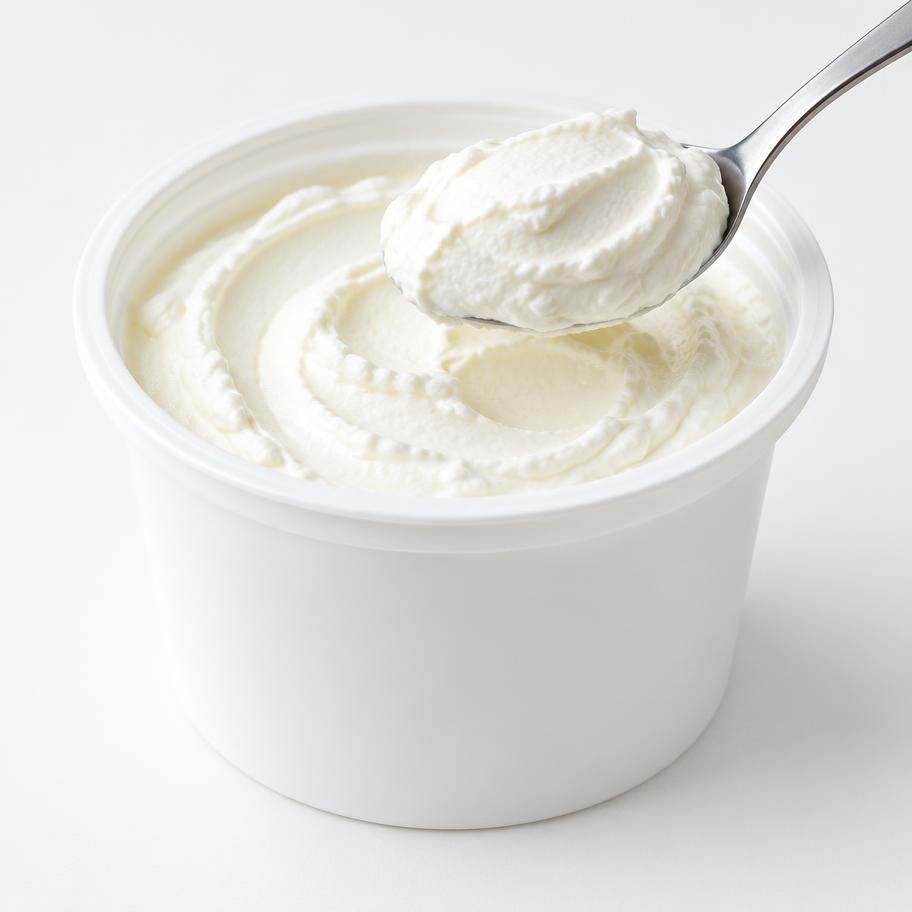
Fage
Total 0% Natural Fat Free Greek Strained Yoghurt
- Protein
- 17.5g
- Calories
- 92
- P/100kcal
- 19g
£1.50£0.086 / g protein
Yogurts · UK, USA
A genuinely high-protein snack is one where protein does real work relative to the calories it costs you, not just a big number on the front of the pack. This guide explains the numbers worth checking and compares the main snack formats side by side.
There is no single everyday threshold for the phrase 'high protein snack', although under UK and EU labelling rules a product must derive at least 20% of its energy from protein to legally carry a 'high in protein' claim. That is a ratio, not a raw gram count, so a small, low-calorie pot can qualify just as easily as a large bar.
In practice, most shoppers look for 10g or more of protein per serving as a rough floor. A better test is protein density — grams of protein per 100 calories. Above 10g per 100 calories is protein-dense; above 15g is exceptional, and that usually points to dairy, egg white or lean meat rather than a baked bar with added protein powder.
Serving size matters more than people expect. Two snacks can carry the same headline protein figure while one delivers it in 90 calories and the other in 220, so the 20g-of-protein claim on the front tells you far less than the per-100-calorie figure on the back.
Bars are convenient and shelf-stable, but they need fat and carbohydrate to hold their shape and texture, so most land between 8g and 11g of protein per 100 calories. Ready-to-drink shakes and high-protein yogurts usually beat them comfortably because water and skimmed dairy add volume without adding calories.
Meat snacks such as jerky and biltong are the densest snack format of all, often above 15g per 100 calories, but they are salty and easy to over-eat past a sensible portion. Crisps, puffs and sweet protein treats sit much lower on density and are best thought of as a better-than-average treat rather than a genuine protein source.
Cottage cheese pots, boiled eggs and edamame beans sit quietly among the best value options in any supermarket, usually beating packaged 'protein' snacks on both density and price, simply because they were never designed to be a marketing category in the first place.
A homemade snack — a boiled egg, a pot of cottage cheese, a portion of leftover chicken — is almost always cheaper per gram of protein than a packaged bar or pouch, and you control exactly what else is in it. The trade-off is shelf life and portability: a shop-bought bar survives a bag or desk drawer for months, while a boiled egg needs a fridge and a few days' turnaround.
For a packed lunch or a long day out, packaged snacks earn their premium through convenience alone, not through superior nutrition. For anything eaten within arm's reach of a kitchen, whole food snacks usually win comfortably on both cost and nutrition.
Anyone trying to hit a daily protein target without adding many extra meals benefits from snacks that are protein-first rather than carbohydrate-first, since protein is the most satiating macronutrient gram for gram. This includes people managing their weight, older adults who need to protect muscle, and anyone training regularly.
They are less essential for people who already eat generous, varied meals; in that case whole foods at mealtimes usually cover the target without needing a snack aisle at all.
The most common mistake is comparing snacks by protein grams alone without checking the calories or the serving size behind them. The second is treating every product with 'protein' on the label as interchangeable with meat, eggs or dairy, when some deliver only a few extra grams over a standard snack.
Compare per serving and per 100g side by side, and check what a serving actually is — half a bar, one scoop or a whole pot can change every number on the front of pack. Sugar alcohols, added fibre and blended protein sources also change how filling a product feels without changing how much protein it delivers.
Nutrition information on this page is for general information only and is not medical or dietary advice.
Fage
£1.50£0.086 / g protein
Yogurts · UK, USA
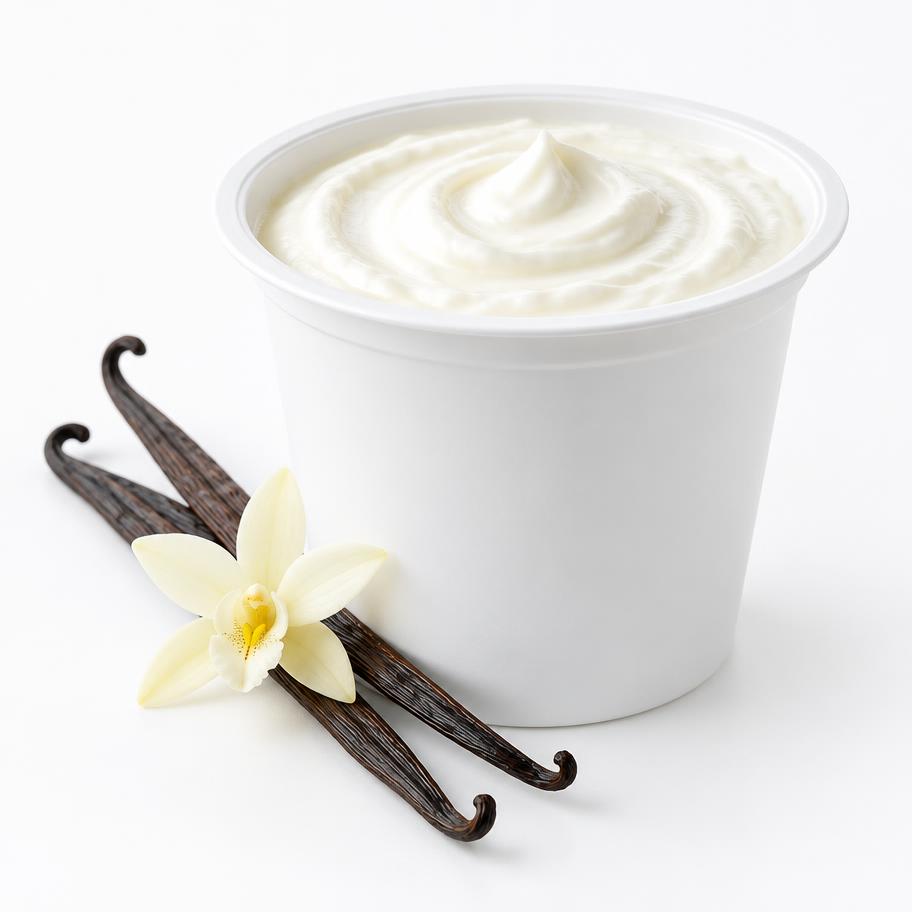
Oikos
$1.49$0.099 / g protein
Yogurts · USA
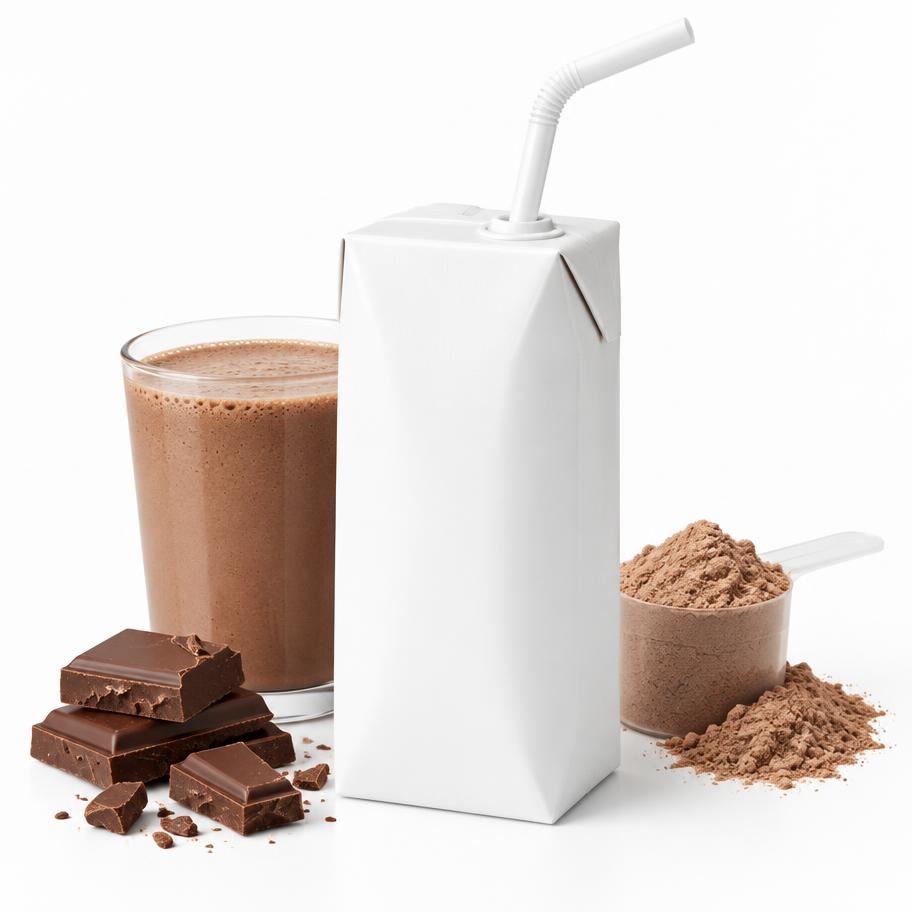
Premier Protein
$2.79$0.093 / g protein
Protein Shakes · USA
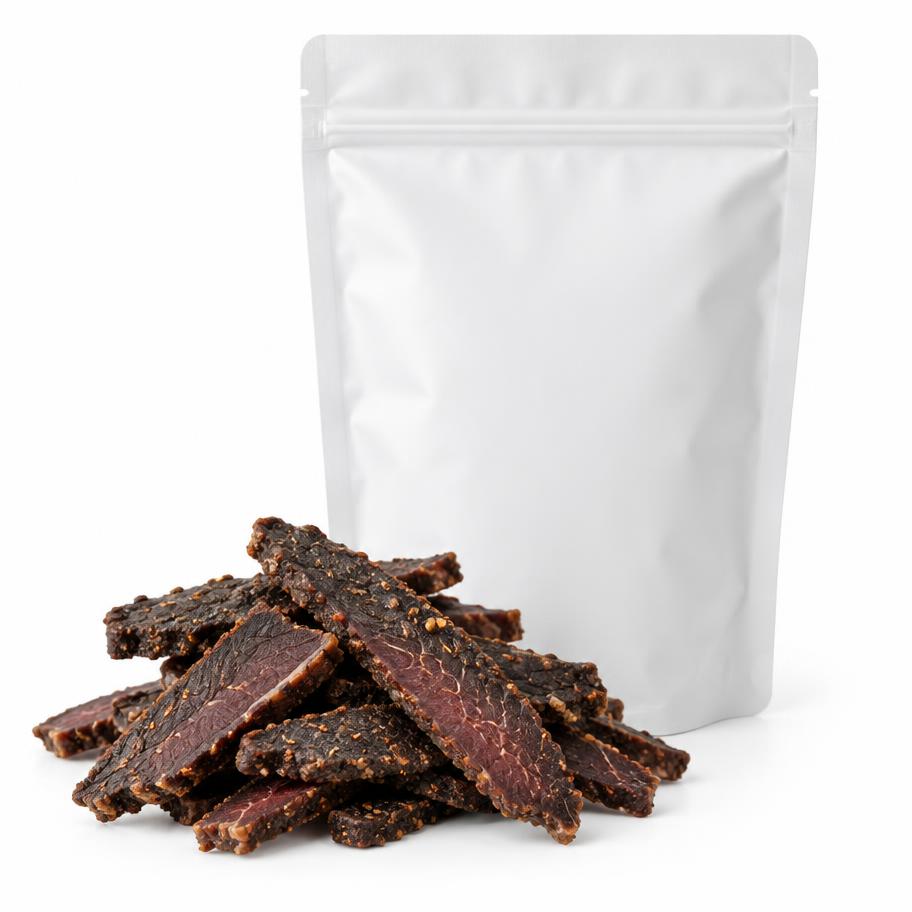
Stryve
$4.99$0.312 / g protein
Jerky & Meat Snacks · USA
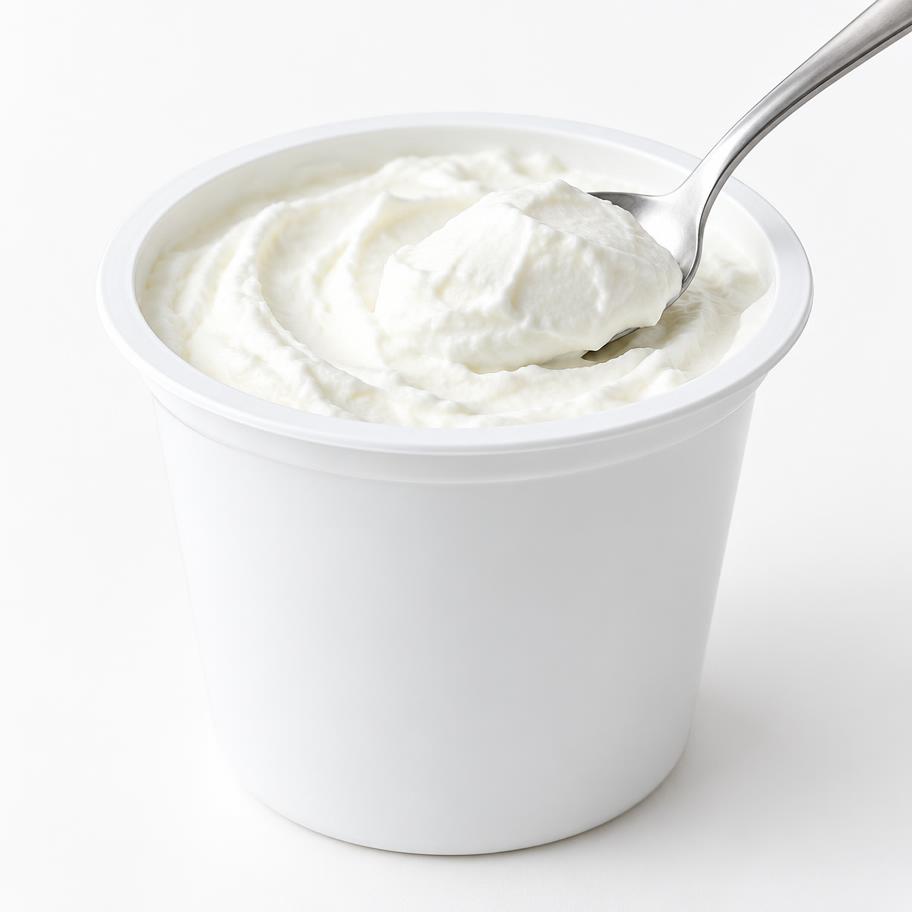
Chobani
$1.49$0.093 / g protein
Yogurts · USA
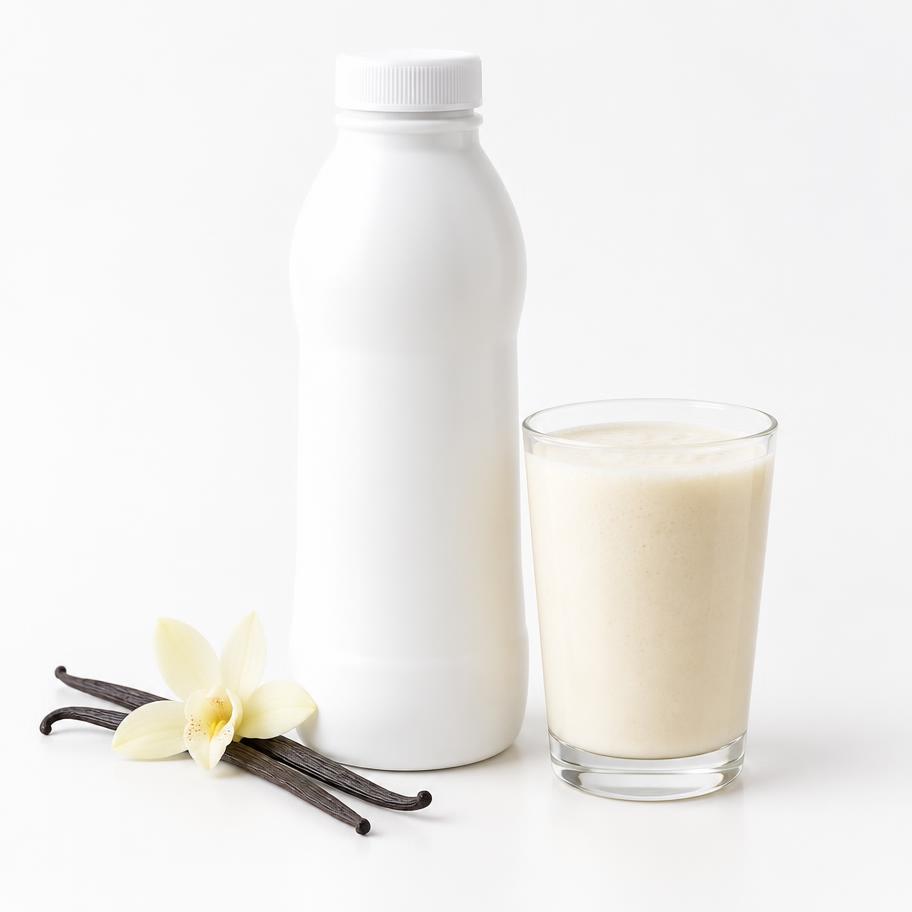
UFIT
£3.00£0.060 / g protein
Protein Shakes · UK
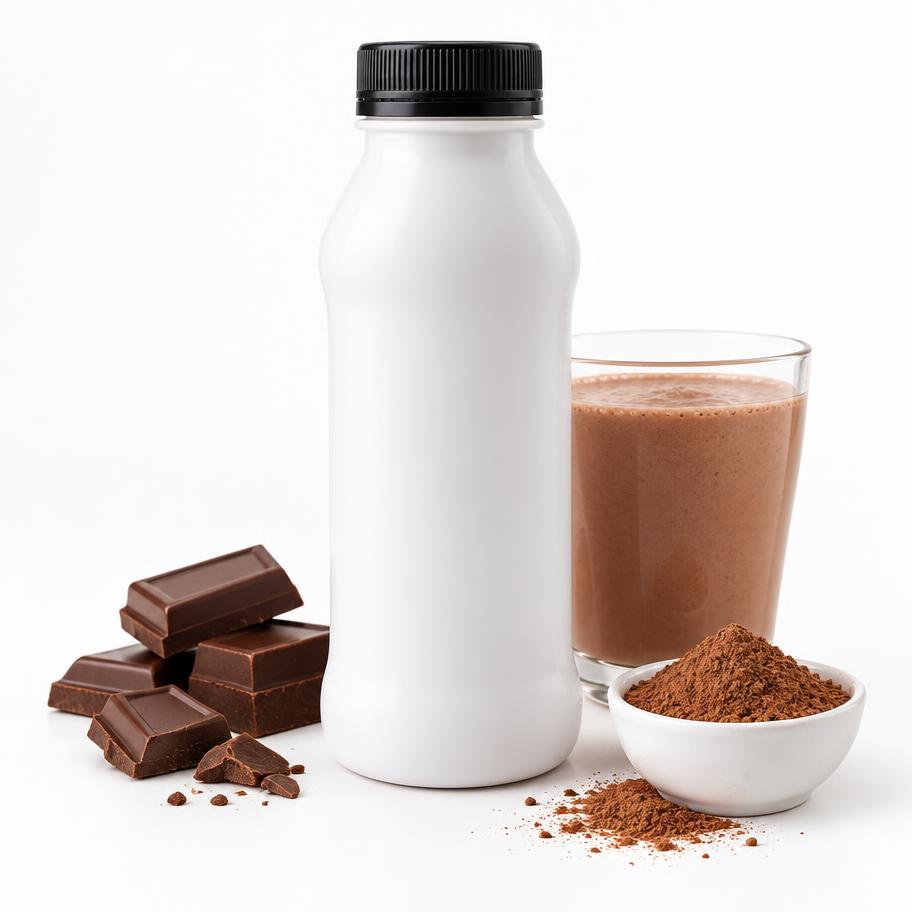
Muscle Milk
$3.29$0.132 / g protein
Protein Shakes · USA
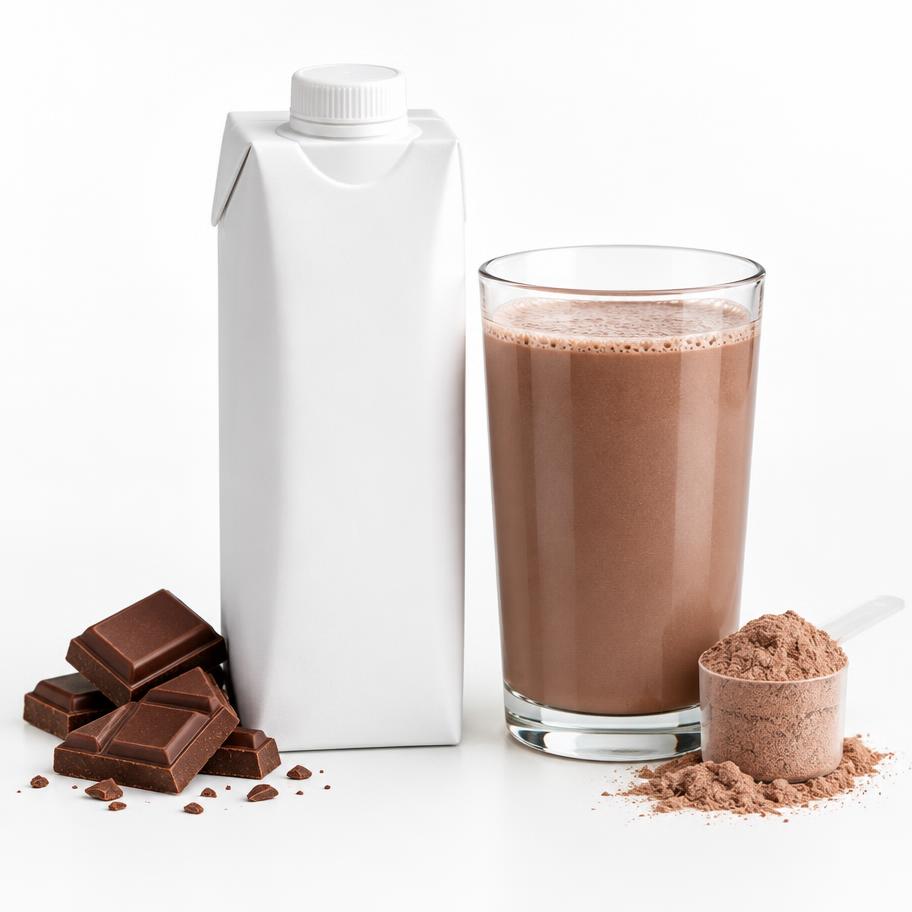
Fairlife
$3.79$0.146 / g protein
Protein Shakes · USA
Grenade
£2.75£0.106 / g protein
Protein Shakes · UK
Icelandic Provisions
$2.29$0.135 / g protein
Yogurts · USA
Jack Link's
£3.00£0.337 / g protein
Jerky & Meat Snacks · UK, USA
Arla
£1.75£0.039 / g protein
Yogurts · UK
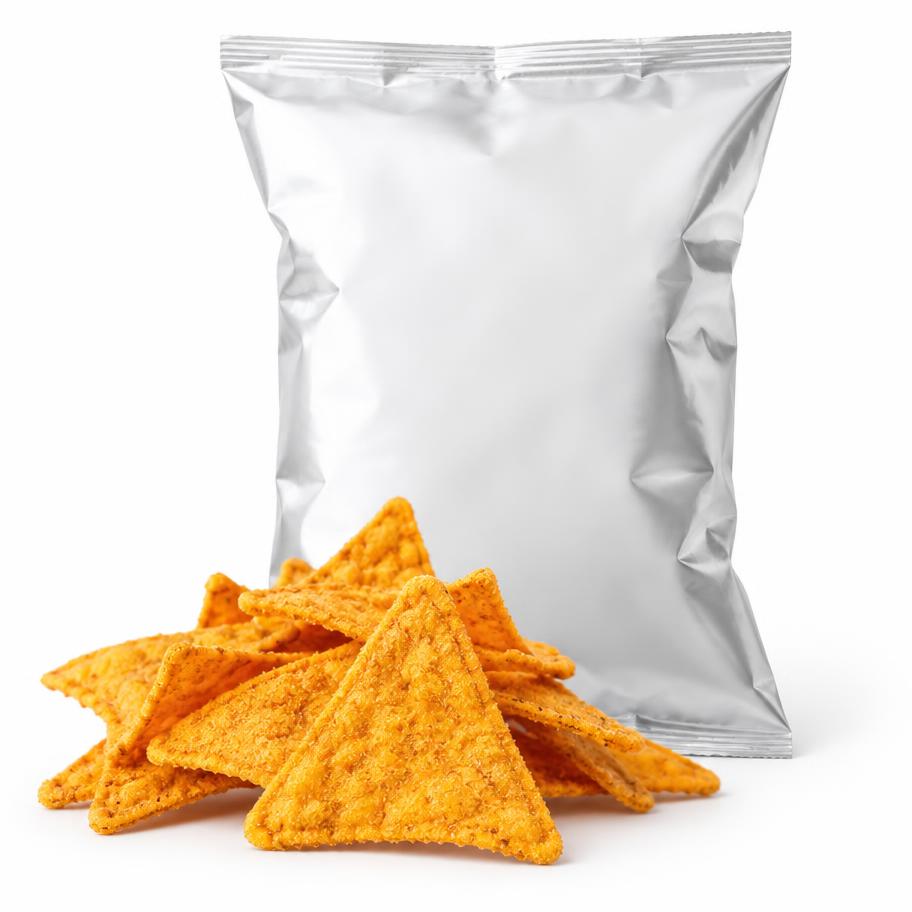
Quest Nutrition
$2.49$0.138 / g protein
Protein Crisps · USA
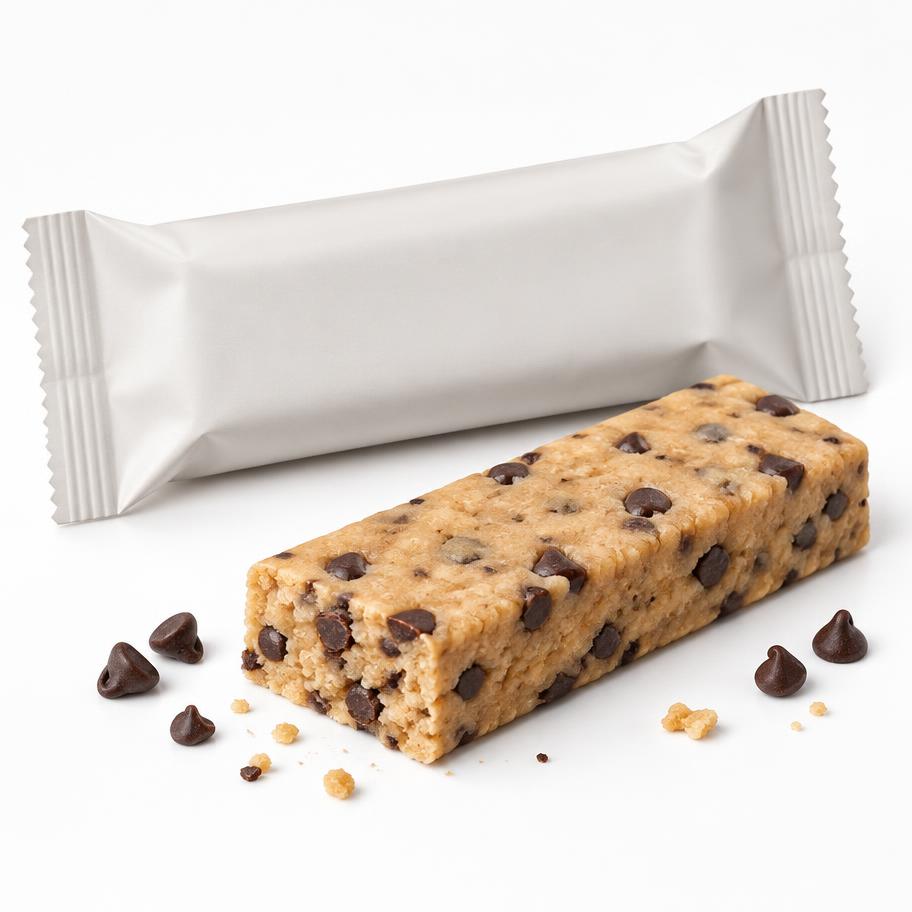
Quest Nutrition
£2.70£0.129 / g protein
Protein Bars · USA, UK
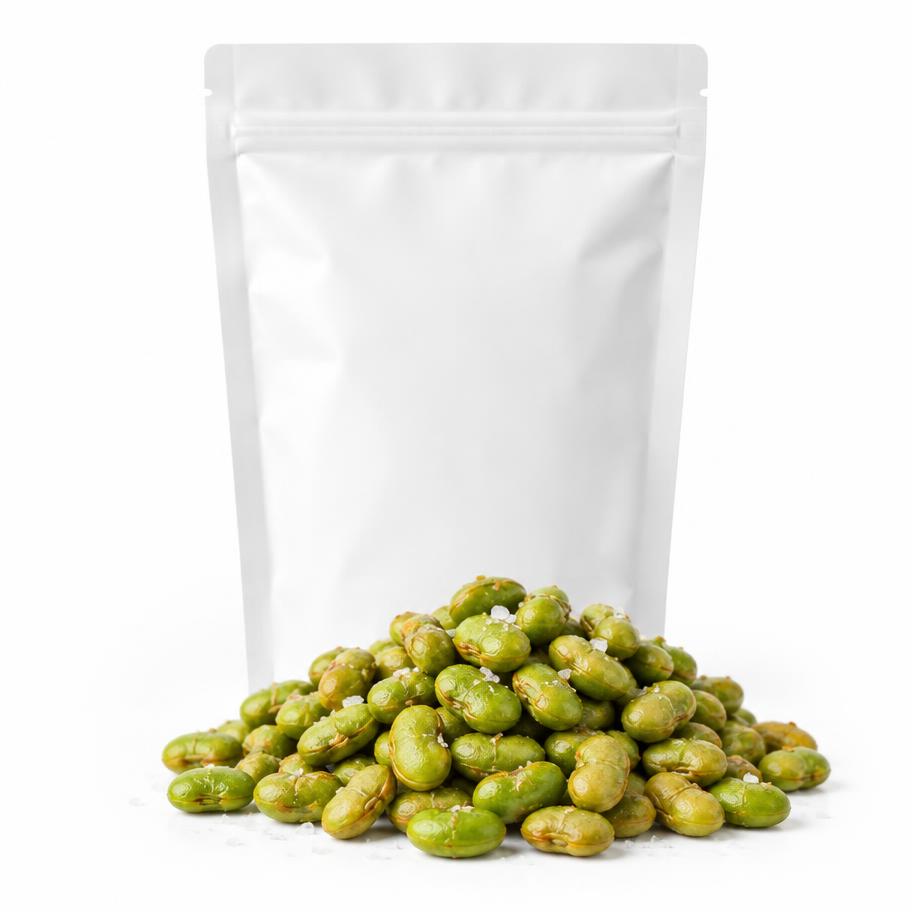
Seapoint Farms
$2.29$0.164 / g protein
Vegan Snacks · USA
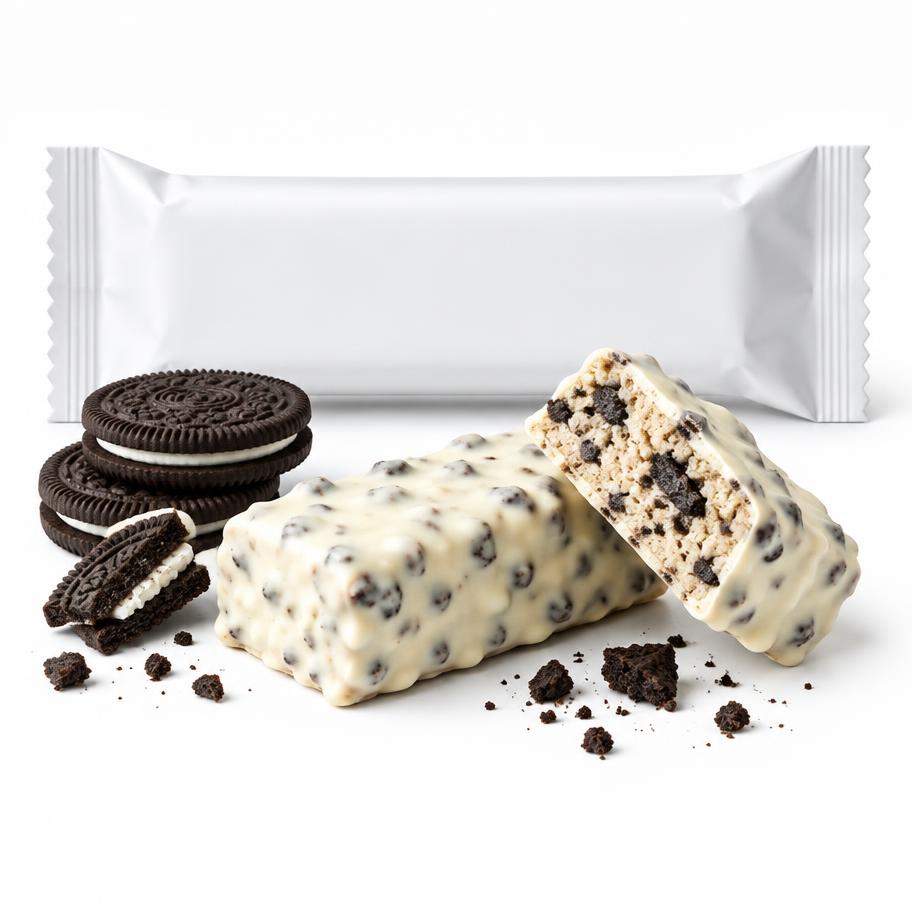
Barebells
£2.50£0.125 / g protein
Protein Bars · USA, UK
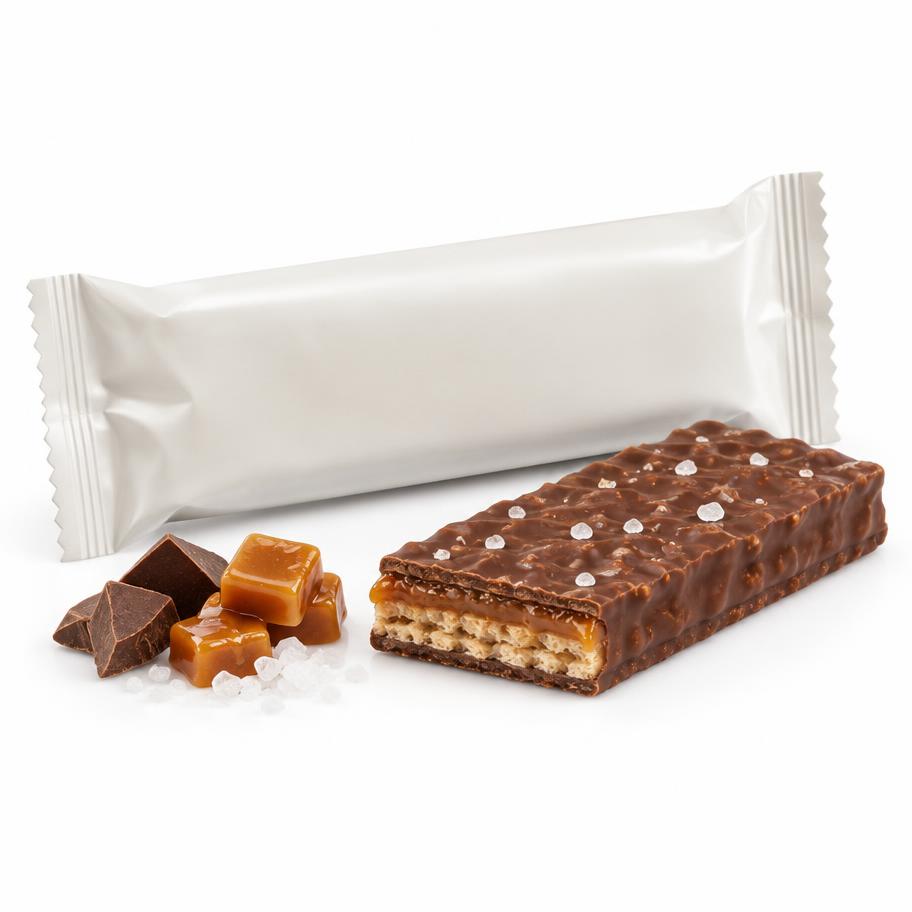
Fulfil
£2.25£0.113 / g protein
Protein Bars · UK, USA
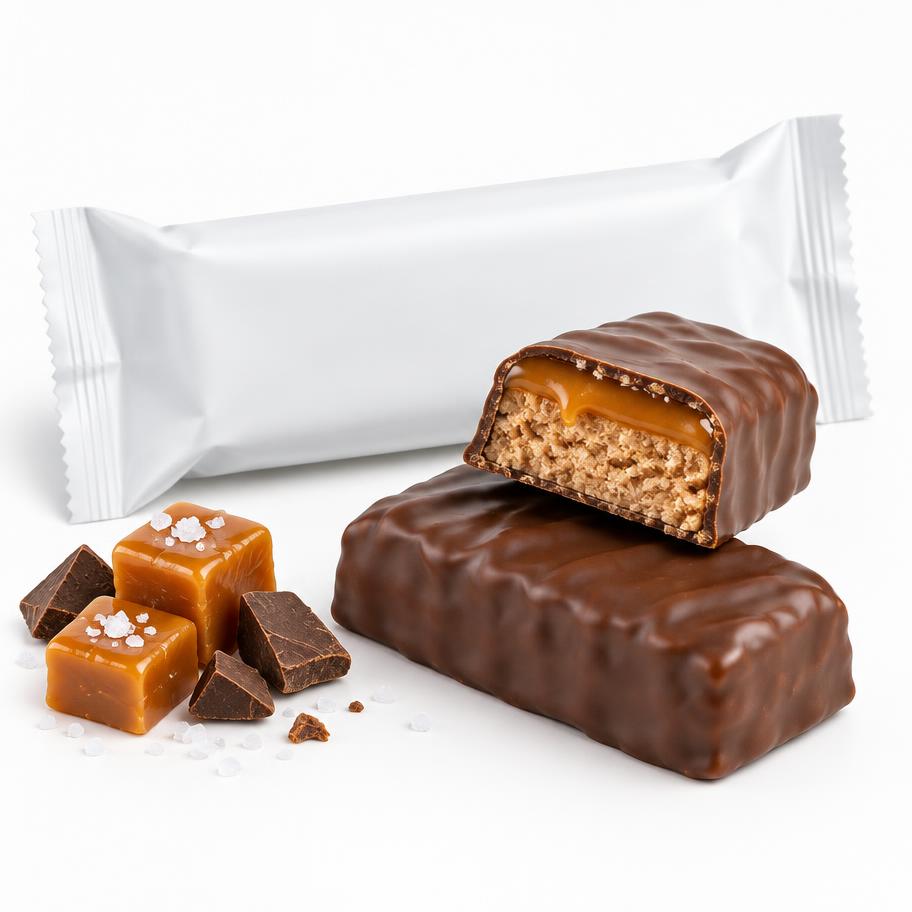
Grenade
£2.50£0.119 / g protein
Protein Bars · UK, USA
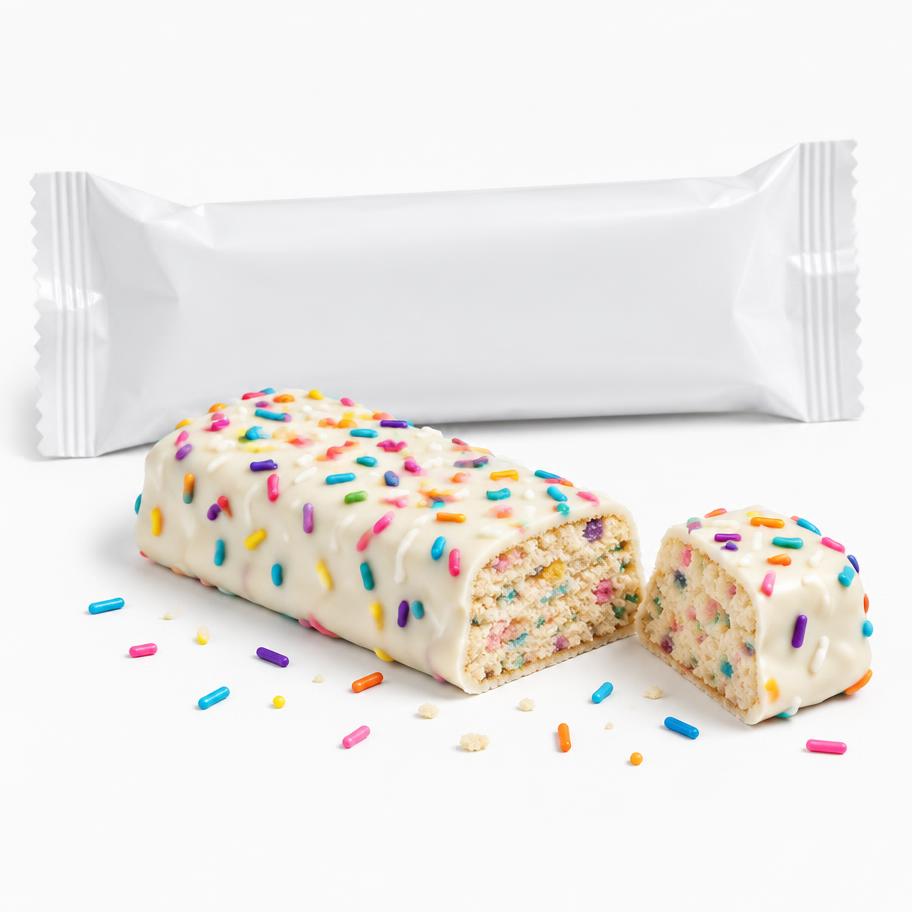
ONE Brands
$2.49$0.124 / g protein
Protein Bars · USA
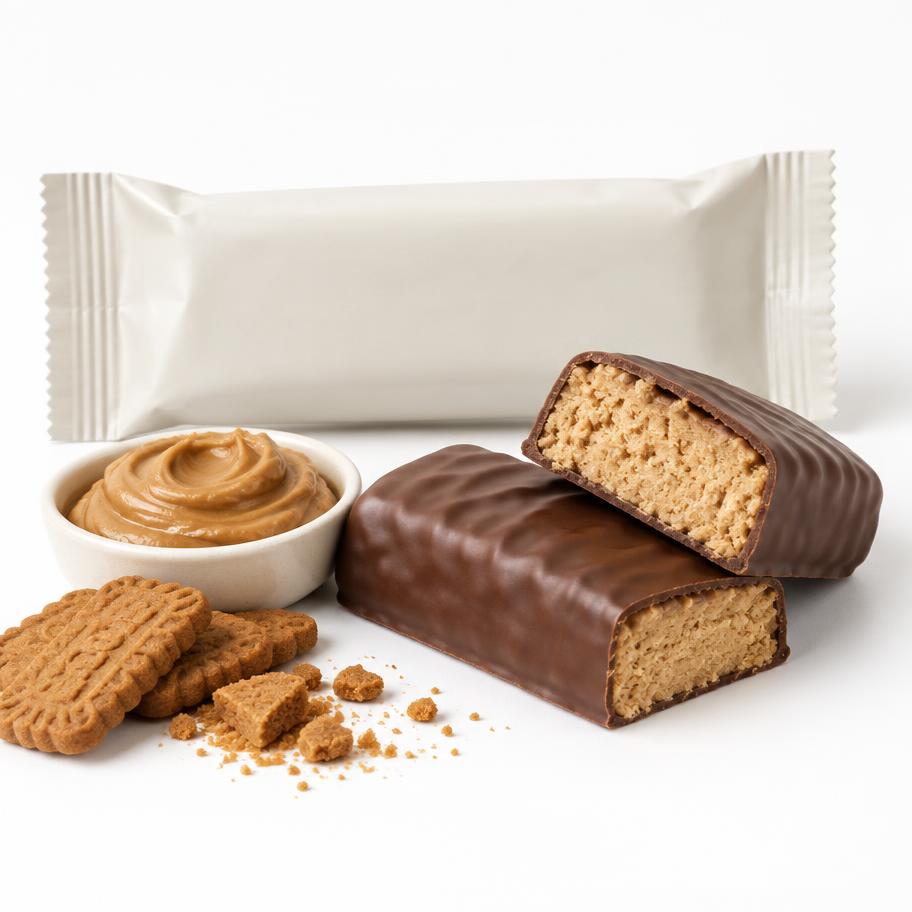
Misfits
£2.30£0.153 / g protein
Protein Bars · UK, USA
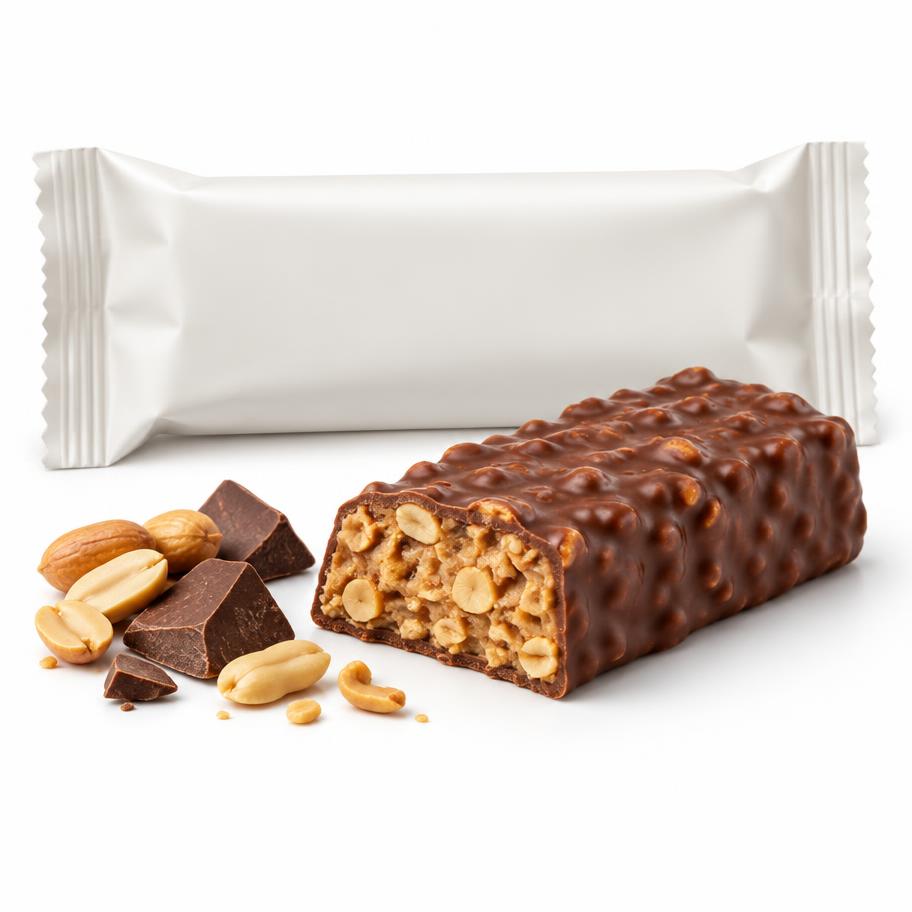
Clif Bar
$2.49$0.124 / g protein
Protein Bars · USA
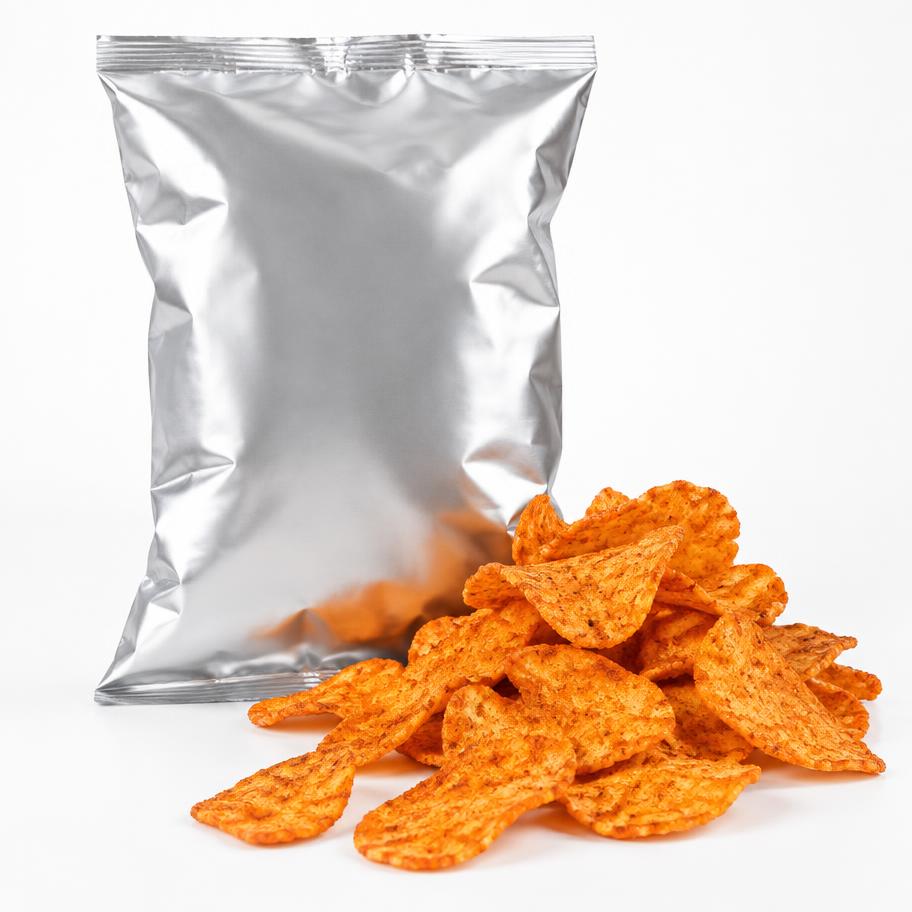
Wilde
$3.49$0.269 / g protein
Protein Crisps · USA
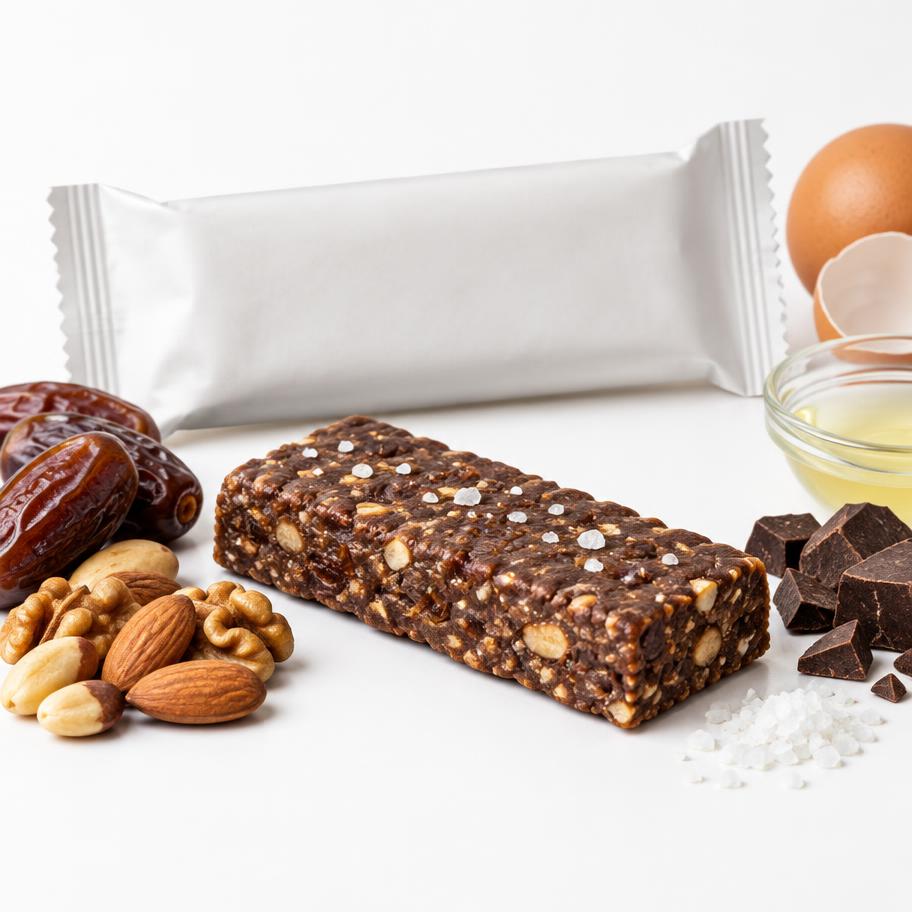
RXBAR
$2.49$0.207 / g protein
Protein Bars · USA
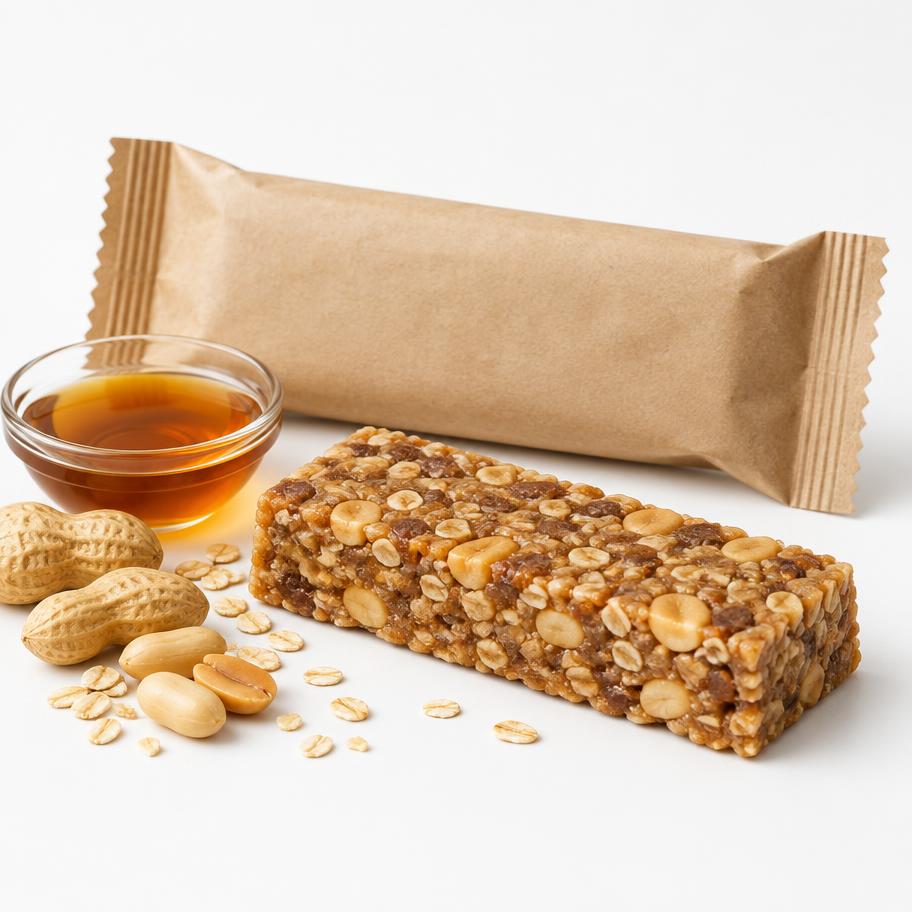
Pulsin
£1.90£0.135 / g protein
Protein Bars · UK
Our database lists protein, calories, protein per 100 calories and typical price for every snack, so you can see which products actually deliver.
One short email each week: price drops, new launches and the best value high-protein snacks, wherever you shop. No spam, unsubscribe any time.
Join the weekly email for price drops, new launches and the best value high-protein snacks in your country.