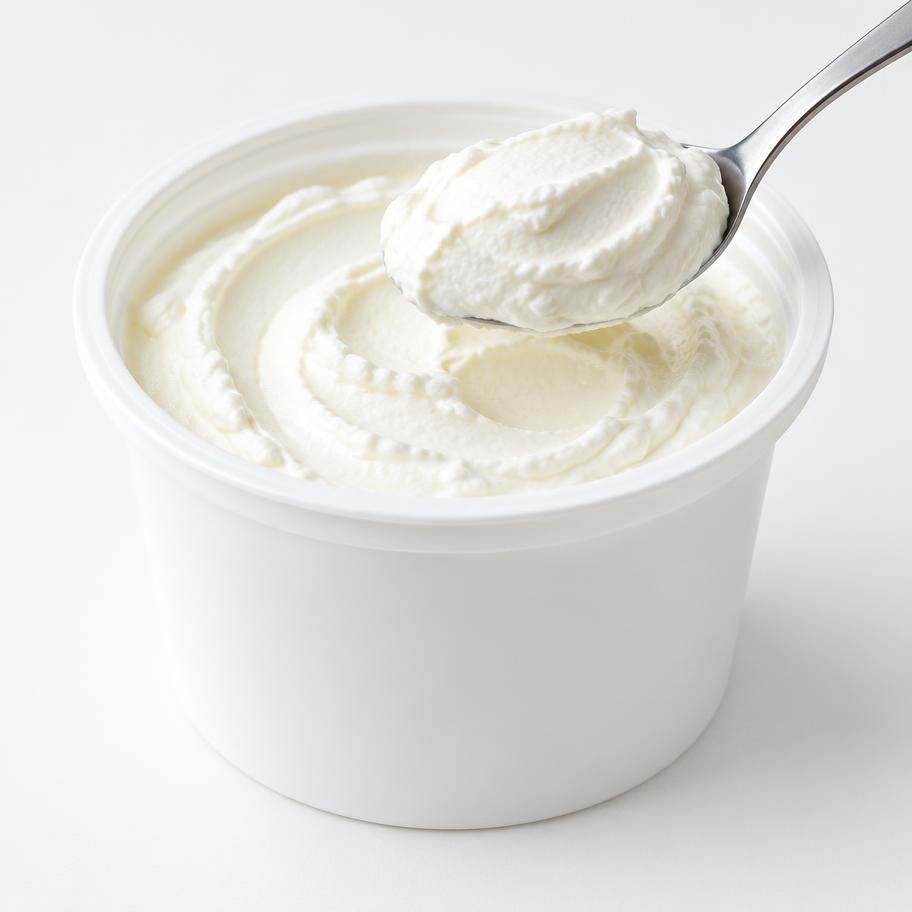
Fage
Total 0% Natural Fat Free Greek Strained Yoghurt
- Protein
- 17.5g
- Calories
- 92
- P/100kcal
- 19g
£1.50£0.086 / g protein
Yogurts · UK, USA
High-protein yogurt is one of the most protein-dense everyday foods available in most supermarkets, and the strained varieties achieve this naturally, without any added protein powder at all. Here is how the main types differ and how to get more use out of them.
Greek yogurt and Icelandic-style skyr are strained products: much of the whey is removed during production, which naturally concentrates the remaining protein. Fat-free versions routinely reach 10g of protein per 100g and roughly 17g to 20g per 100 calories, which is exceptional for a widely available, everyday food.
Fortified pots instead add milk protein concentrate or whey protein to a standard yogurt base to boost the figure without straining. They often reach similarly high protein numbers and come pre-flavoured for convenience, but added sweeteners and thickeners can make the texture noticeably different from a plain strained yogurt.
Plain strained yogurt contains only the milk sugars naturally present in dairy, with nothing added. Flavoured pots, by contrast, range from near zero added sugar in some diet-focused ranges to more than a standard chocolate bar in dessert-style versions, so the per-pot sugar figure is genuinely worth a glance before buying.
Buying plain yogurt and adding your own fruit, a little cinnamon or a small spoon of jam gives full control over both sugar content and cost, while usually working out cheaper than a pre-flavoured equivalent.
Thick, fat-free yogurt makes an excellent base for dressings, marinades and dips: it tenderises chicken well as a marinade base, thins easily into a salad dressing with lemon juice and herbs, and can replace soured cream on a chilli or baked potato for a similar texture with less fat.
It splits if boiled directly in a hot pan, so stir it into hot dishes off the heat, or temper it first with a spoonful of the hot liquid before adding it back to the pan.
For the highest protein per calorie with no added ingredients, plain fat-free Greek yogurt or skyr is generally the best value option and the most versatile for both sweet and savoury use. For convenience and flavour variety, fortified pots save time but usually cost more per 100g and can carry more additives.
Reading the ingredients list alongside the nutrition panel is worth doing once for a new brand, since some 'protein yogurt' products lean more heavily on added protein isolates and sweeteners than others.
The most common mistake is assuming all yogurts sold as 'Greek style' are strained in the same way as genuine Greek yogurt; some 'Greek style' products are simply thickened rather than strained and carry noticeably less protein. The second is comparing pots of different sizes on total grams of protein rather than per 100g, which can make a larger, less protein-dense pot look better than it really is.
Nutrition information on this page is for general information only and is not medical or dietary advice.
Fage
£1.50£0.086 / g protein
Yogurts · UK, USA
Oikos
$1.49$0.099 / g protein
Yogurts · USA
Chobani
$1.49$0.093 / g protein
Yogurts · USA
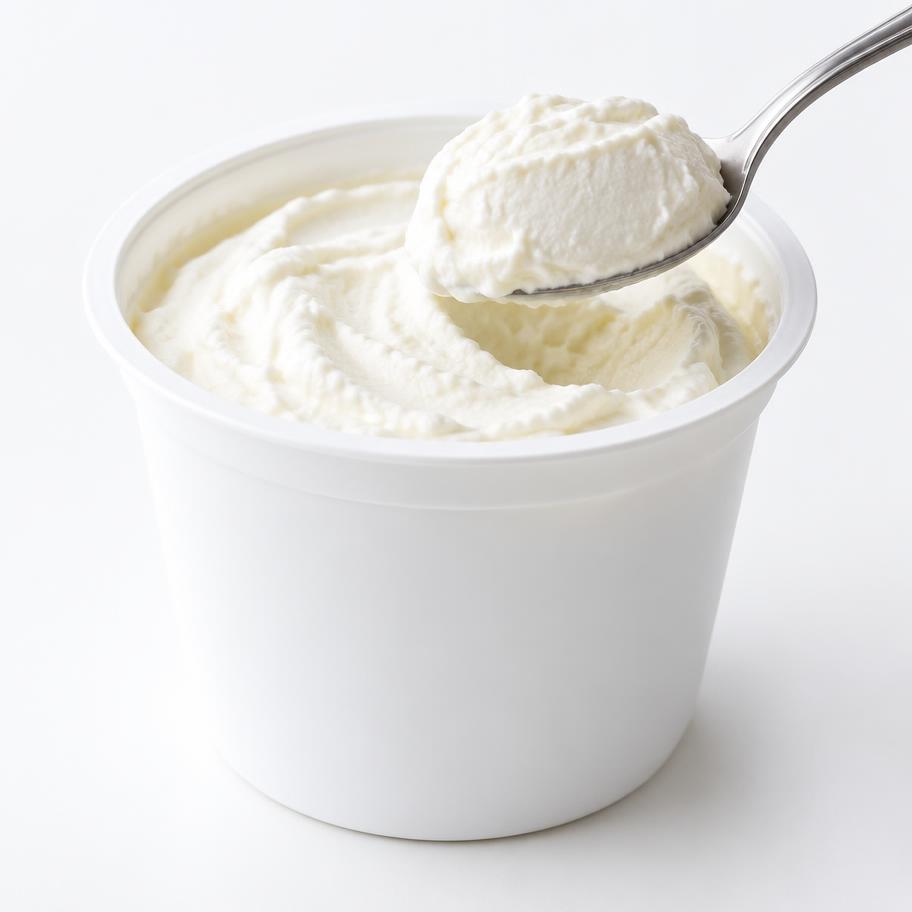
Icelandic Provisions
$2.29$0.135 / g protein
Yogurts · USA
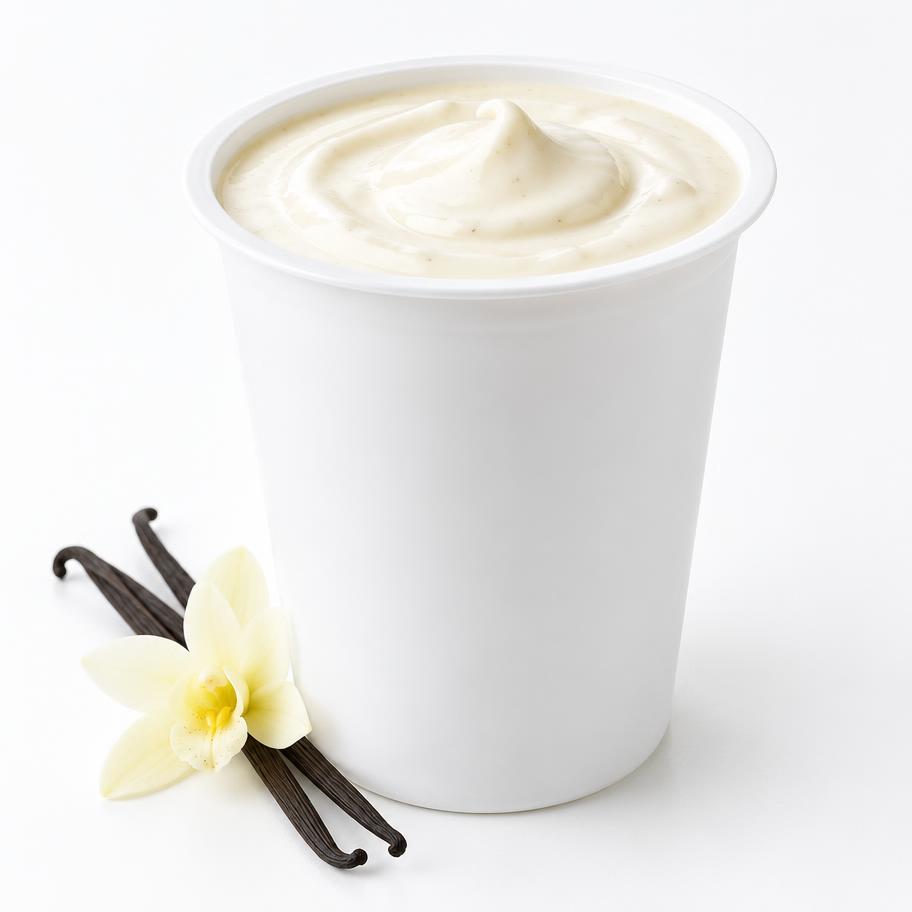
Arla
£1.75£0.039 / g protein
Yogurts · UK
Our database lists protein, calories, protein per 100 calories and typical price for every snack, so you can see which products actually deliver.
One short email each week: price drops, new launches and the best value high-protein snacks, wherever you shop. No spam, unsubscribe any time.
Join the weekly email for price drops, new launches and the best value high-protein snacks in your country.