
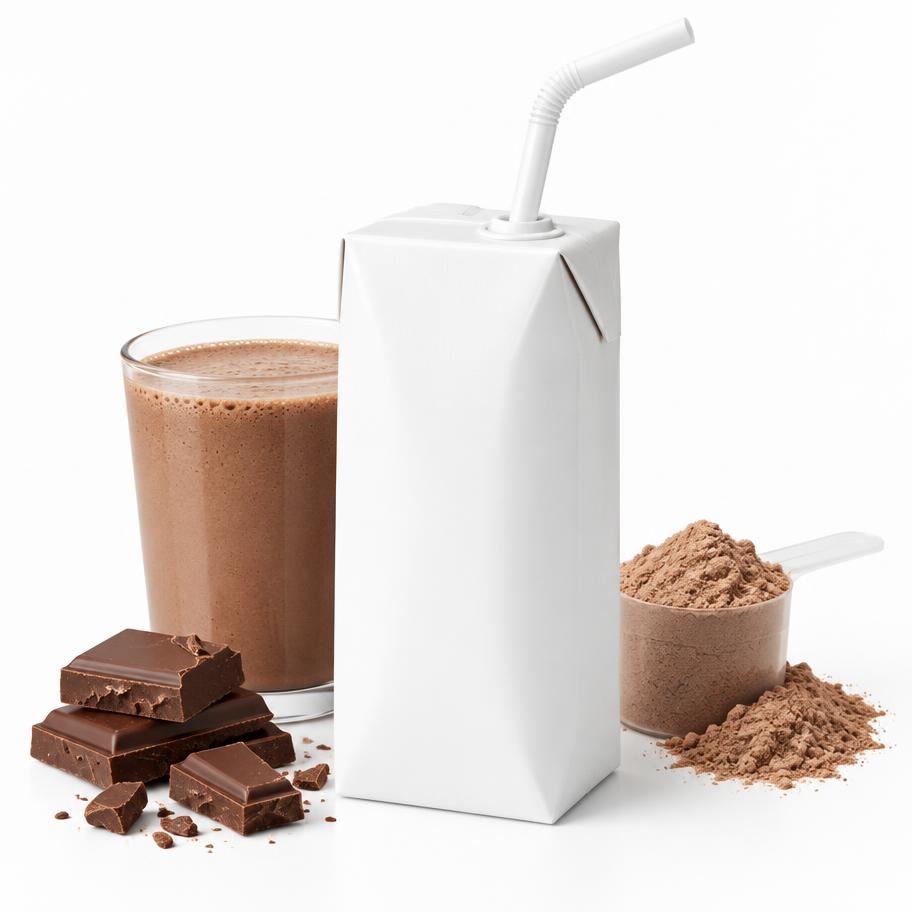
Premier Protein
Protein Shake Chocolate
- Protein
- 30g
- Calories
- 160
- P/100kcal
- 18.8g
$2.79$0.093 / g protein
Protein Shakes · USA
Premier Protein is one of the best-known ready-to-drink protein shakes in the United States, built around a milk protein blend in a shelf-stable carton. Here is what the format offers, where it sits on protein density, and what to weigh it against before buying.
A ready-to-drink (RTD) shake is a shelf-stable carton or bottle containing a milk-protein blend, water, thickeners and flavouring, designed to be drunk cold with no preparation. Premier Protein's standard shakes are built around milk protein concentrate and typically come in a roughly 325ml to 330ml serving.
RTD shakes score very well on protein density because water carries no calories of its own. A shake with around 30g of protein for roughly 160 calories works out near 19g of protein per 100 calories, a figure almost no baked bar can match.
Because the base is milk protein, the amino acid profile is similar to any other dairy-based shake or yogurt; the format's real advantage is not the protein source but the convenience of a sealed, no-mixing drink that keeps at room temperature.
Check protein grams, calories, sugar and serving volume together rather than any single figure in isolation. A larger bottle with the same total protein is not better value if the extra calories come from added sugar or cream rather than more protein.
Compare against powder mixed with water or skimmed milk, which usually costs a fraction as much per gram of protein, and against high-protein yogurt or skyr, which often matches or beats RTD shakes on density while adding some texture and satiety.
Always read the pack in front of you, since formulations and flavour variants differ by country and change over time. Any figures published on a product page are taken from the manufacturer's own nutrition panel and dated accordingly.
A homemade equivalent — a scoop of whey or milk protein powder blended with water, ice and a splash of milk — delivers a very similar protein and calorie profile for roughly a third of the cost, with the trade-off of needing a shaker and a fridge for the powder.
For people who dislike measuring or travel often, the pre-mixed carton removes that friction entirely, which is the main reason the format commands a premium price over powder.
RTD shakes suit anyone who wants a grab-and-go protein top-up with zero preparation: commuters, shift workers, or anyone topping up a meal that was light on protein. They are less economical for people drinking a shake every day, where powder pays for itself quickly.
They are also useful as a low-fuss breakfast substitute or a post-exercise drink, since the protein arrives in a form that needs no chewing and travels well in a bag.
The most common mistake is assuming all flavours and product lines within a range carry identical nutrition; protein, sugar and calories can vary noticeably between a standard shake, a 'light' version and a higher-protein version in the same range.
The second is treating an RTD shake as a meal replacement without checking whether it provides meaningful fibre, vitamins or minerals, since most are protein and water first and a balanced meal second.
Nutrition information on this page is for general information only and is not medical or dietary advice.
Premier Protein
$2.79$0.093 / g protein
Protein Shakes · USA
UFIT
£3.00£0.060 / g protein
Protein Shakes · UK
Muscle Milk
$3.29$0.132 / g protein
Protein Shakes · USA
Fairlife
$3.79$0.146 / g protein
Protein Shakes · USA
Grenade
£2.75£0.106 / g protein
Protein Shakes · UK
Our database lists protein, calories, protein per 100 calories and typical price for every snack, so you can see which products actually deliver.
One short email each week: price drops, new launches and the best value high-protein snacks, wherever you shop. No spam, unsubscribe any time.
Join the weekly email for price drops, new launches and the best value high-protein snacks in your country.