How to Choose a High-Protein Snack
Editorial Team · Published 22 September 2026 · Updated 22 September 2026 · 6 min read
Front-of-pack protein claims are designed to be seen from a metre away. The useful information is on the back, and it takes about twenty seconds to read.
Start with protein per 100 calories
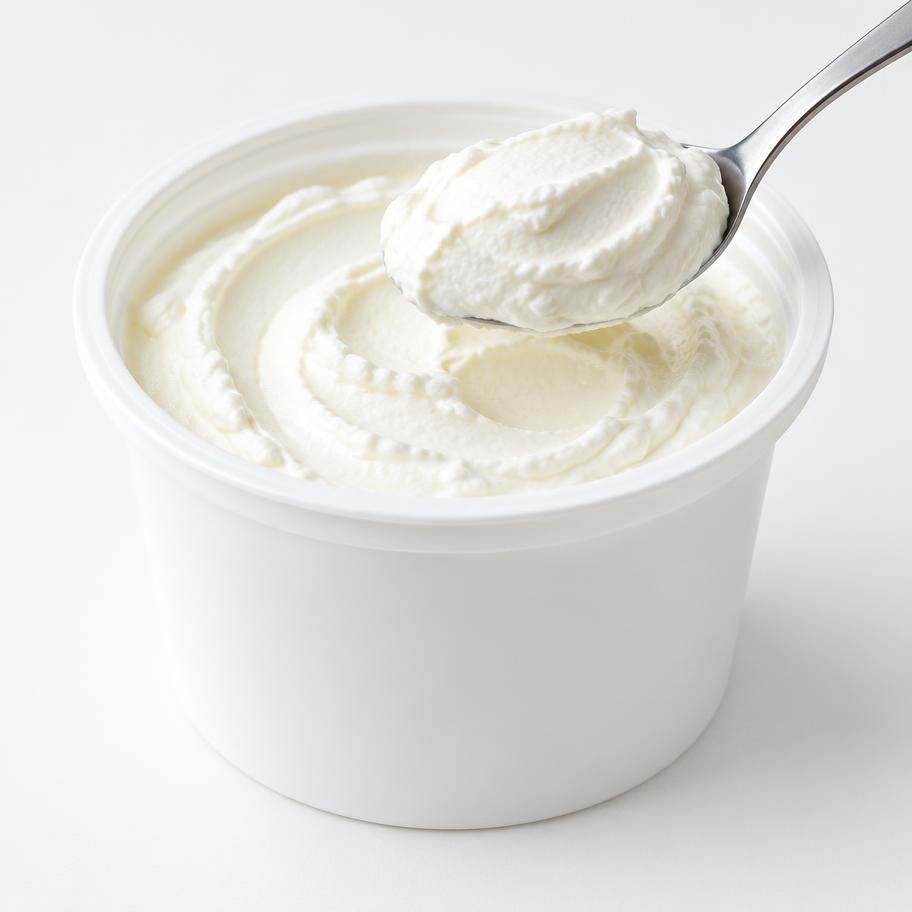
A snack with 20g of protein and 400 calories is a small meal. A snack with 20g of protein and 200 calories is a genuinely high-protein snack. Dividing protein by calories puts every format on the same footing, whether it is a bar, a pot of yogurt, a shake or a bag of crisps. As a rough guide, anything above 10g of protein per 100 calories is dense, and plain Greek yogurts and skyr regularly reach 14 to 19.
Check the serving size before anything else
Some packs list nutrition per 100g rather than per portion, which can make a product look lighter or denser than it is. Multi-serving tubs and large shake bottles are the usual culprits. Work out what you will actually eat in one sitting and base every other number on that.
Decide what the snack is for
A snack after training, a snack to get you to dinner and a snack to stop you buying chocolate at three o'clock are different jobs. Aim for roughly 10g to 20g of protein for a snack; more than that is fine, but it is rarely doing extra work if the rest of your day is already covered.
Look at sugar and fibre together
Sugar alone tells you little. A yogurt with 5g of naturally occurring milk sugar is not comparable to a bar with 15g of added syrup. Fibre is worth a glance too, because bars built on oats, dates or chicory root tend to sit heavier and last longer than an equivalent engineered bar.
Work out the cost per gram of protein
Protein is the thing you are buying, so price it that way: divide the pack price by the total grams of protein in the pack. This is where big tubs of yogurt and multipack bars usually beat single impulse purchases. Every product page here shows price per gram of protein and cost per 10g of protein, based on the typical prices we hold.
Ingredients, allergens and diet
Scan the ingredients for the protein source, whey and milk protein for dairy versions, soy, pea or brown rice for plant-based ones. If you are vegan, coeliac or avoiding nuts, the allergen line in bold is the only statement that counts, not the marketing on the front.
Then apply the taste test
The best snack on paper is useless if it sits in the cupboard. Buy one of something before you buy a box of it, and treat protein density as a tie-breaker between things you already like rather than the only rule.
This article is general information and is not medical or dietary advice.