How to Read a Protein Snack Label
High Protein Snacks · Published 22 September 2026 · Updated 22 September 2026 · 5 min read
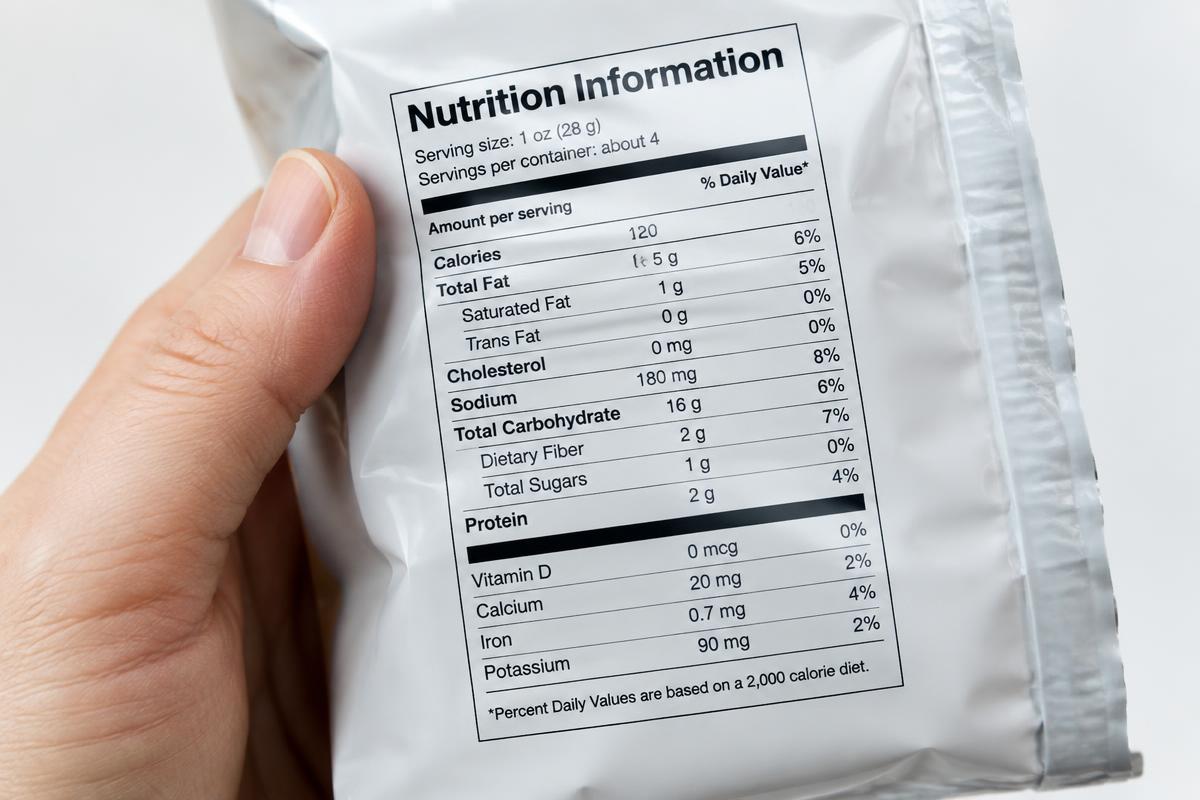
Two bars can both claim to be high in protein and be very different products. The back of the pack settles it.
Per serving versus per 100g
Labels in the UK and EU show values per 100g and often per serving; US labels lead with per serving. A bar may look modest per 100g but be a large bar, or impressive per 100g and weigh 35g. Always check what a serving actually is.
The high protein claim
In the UK and EU, a food can be labelled high in protein when at least 20% of its energy comes from protein, and a source of protein at 12%. That is a low bar, so the claim alone tells you little.
Work out protein per 100 calories
Divide grams of protein by calories, then multiply by 100. Above 15g per 100 calories is strong; above 20g is excellent. This one calculation ranks snacks better than any front-of-pack badge, and every product page on this site shows it for you.
Sugar, sugar alcohols and fibre
Low-sugar bars often use polyols such as maltitol or erythritol, and soluble corn fibre. They keep sugar down, and in larger amounts can cause digestive discomfort for some people.
Salt in meat snacks
Jerky and biltong are preserved with salt, so a small pack can carry a meaningful share of a daily intake. Worth noting if you eat them often.
Nutrition information is provided for general information only and is not medical or dietary advice.