Protein Bars vs Protein Shakes: Which Should You Pick?
High Protein Snacks · Published 22 September 2026 · Updated 22 September 2026 · 4 min read
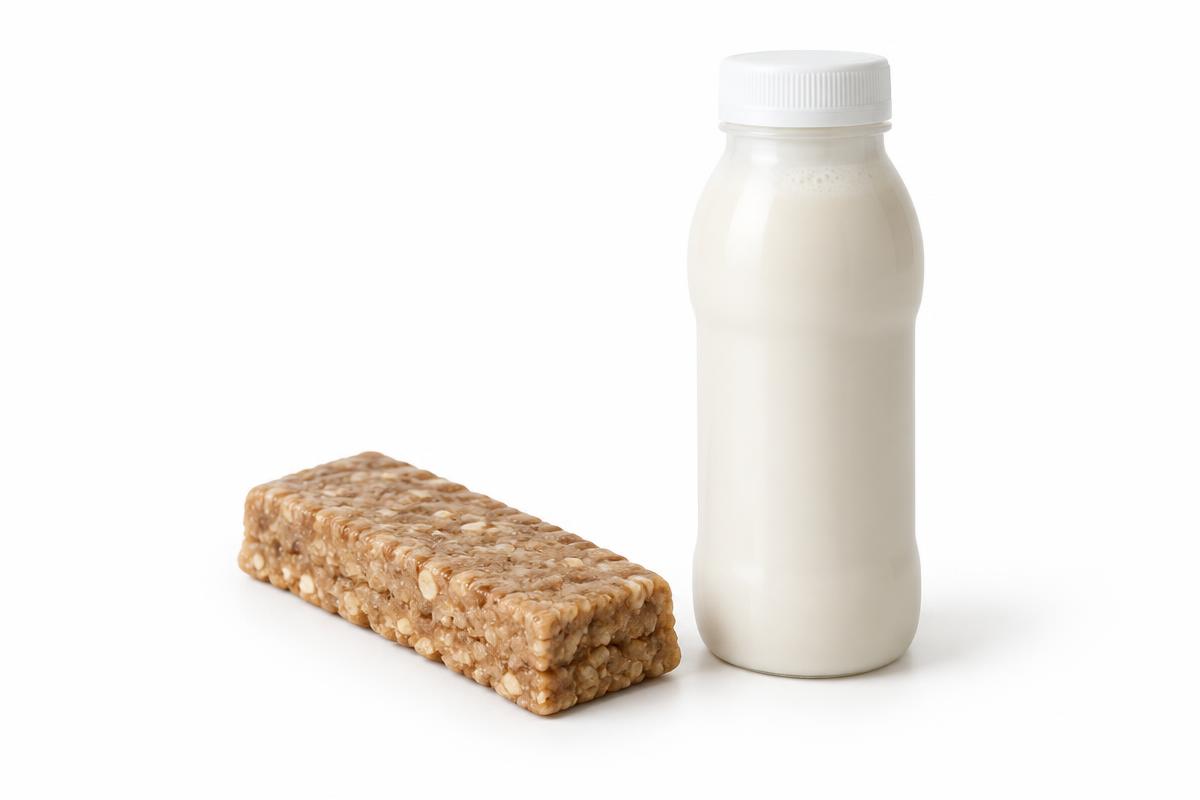
Bars and ready-to-drink shakes are the two default high-protein snacks. They solve slightly different problems.
Calories for the same protein
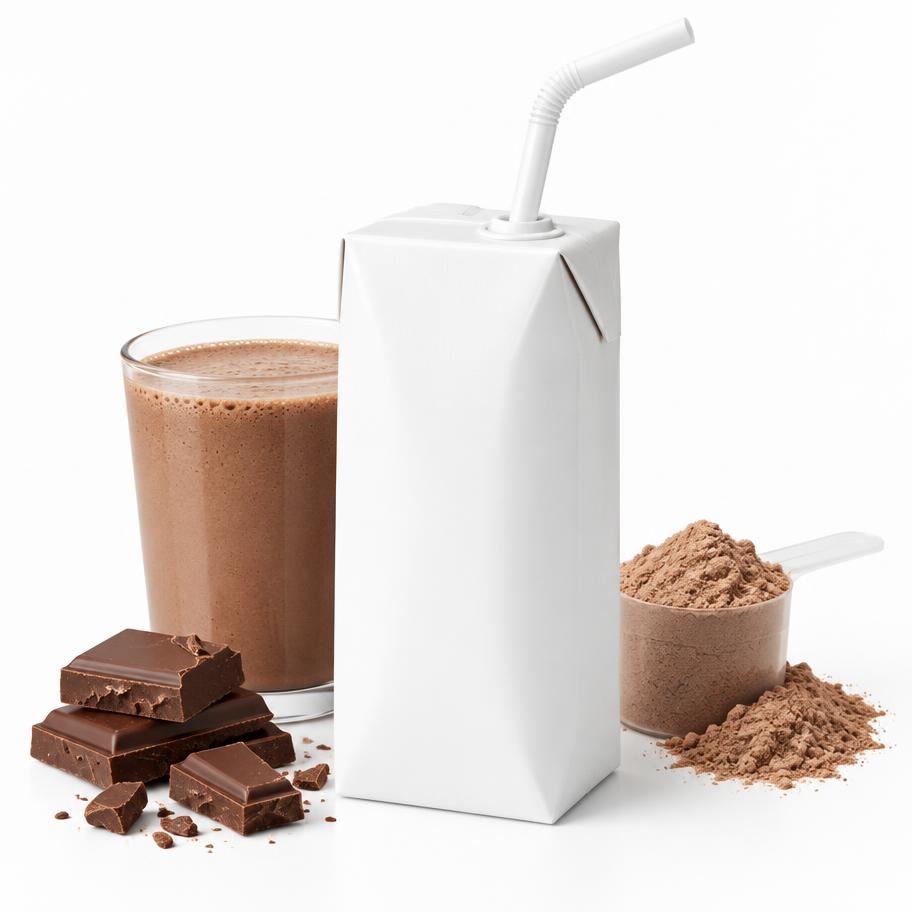
Shakes generally win on protein density. Premier Protein Chocolate delivers 30g of protein in 160 calories, and Fairlife Core Power Chocolate gives 26g in 170. A typical bar with 20g of protein tends to sit between 190 and 290 calories, because the coating, binder and inclusions carry fat and sugar.
Fullness and enjoyment
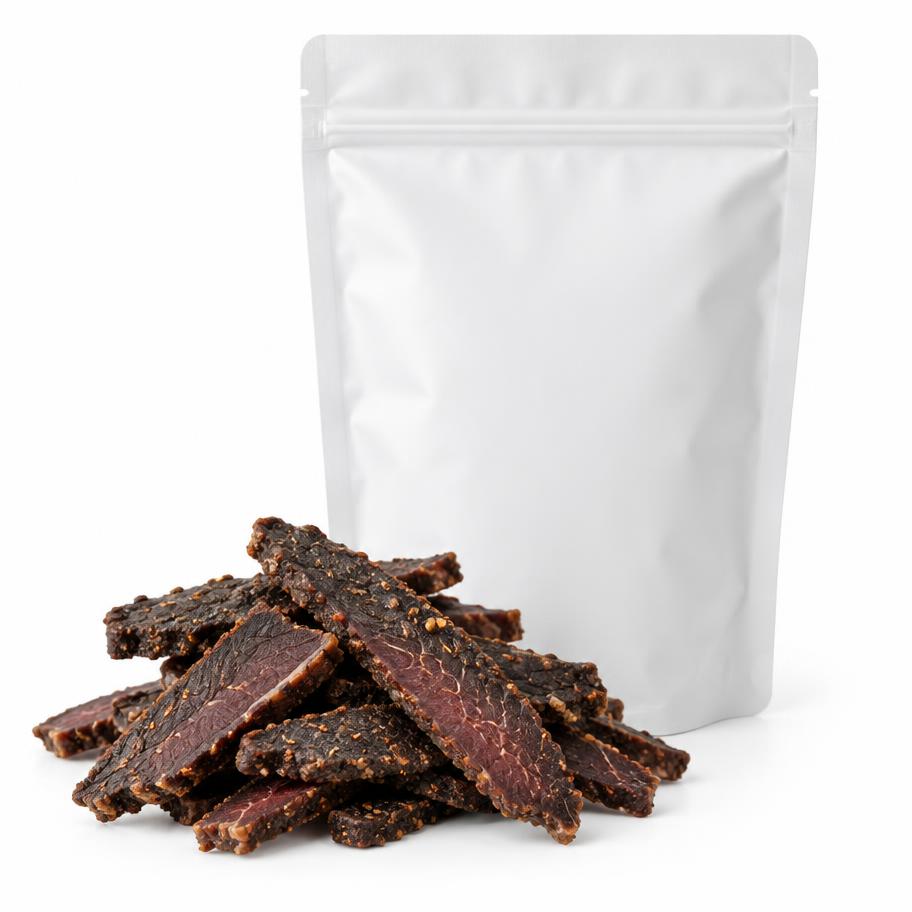
A bar takes longer to eat, has texture, and often feels more like a treat, which matters if the snack is replacing a biscuit. A shake is quick and easy when you have no appetite, for instance straight after training.
Practicality
Bars need no refrigeration and survive a bag or a desk drawer. Shakes are heavier, take up more room, and taste better cold, though shelf-stable cartons travel fine.
Ingredients
Bars vary enormously. Some use whole-food bases such as dates and egg white, like RXBAR; others use protein isolates, soluble fibre and sweeteners. Neither approach is automatically better, but check fibre and sugar alcohols if you are sensitive to them.
The short answer
If you are counting calories, pick a shake. If you want something to chew, or you need a snack that lives in your bag, pick a bar. Compare the two side by side on protein per 100 calories before you commit.
Nutrition information is provided for general information only and is not medical or dietary advice.