Protein Bars vs Protein Yogurts
Editorial Team · Published 22 September 2026 · Updated 22 September 2026 · 6 min read
Both formats deliver around 15g to 21g of protein a serving, so the honest answer comes down to calories, sugar, storage and price rather than the number on the front of the pack.
The short answer
If you want the most protein for the fewest calories, high-protein yogurts win comfortably. If you want something that lives in a bag, a drawer or a glovebox, bars win.
Protein per 100 calories
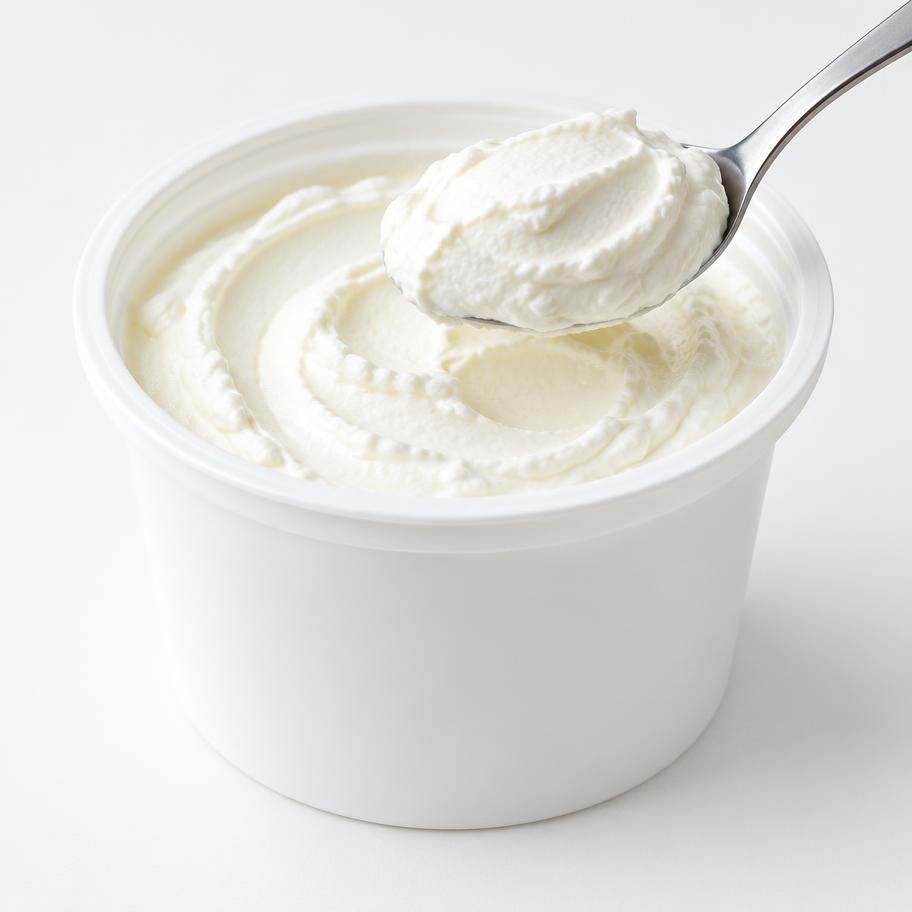
Protein density is the fairest way to compare two different formats. Across the yogurts we hold, plain Greek styles sit between roughly 14 and 19g of protein per 100 calories: Fage Total 0% at about 19.0, Oikos Triple Zero Vanilla at about 18.8, Chobani Non-Fat Plain at about 17.8 and Icelandic Provisions Plain Skyr at about 14.2.
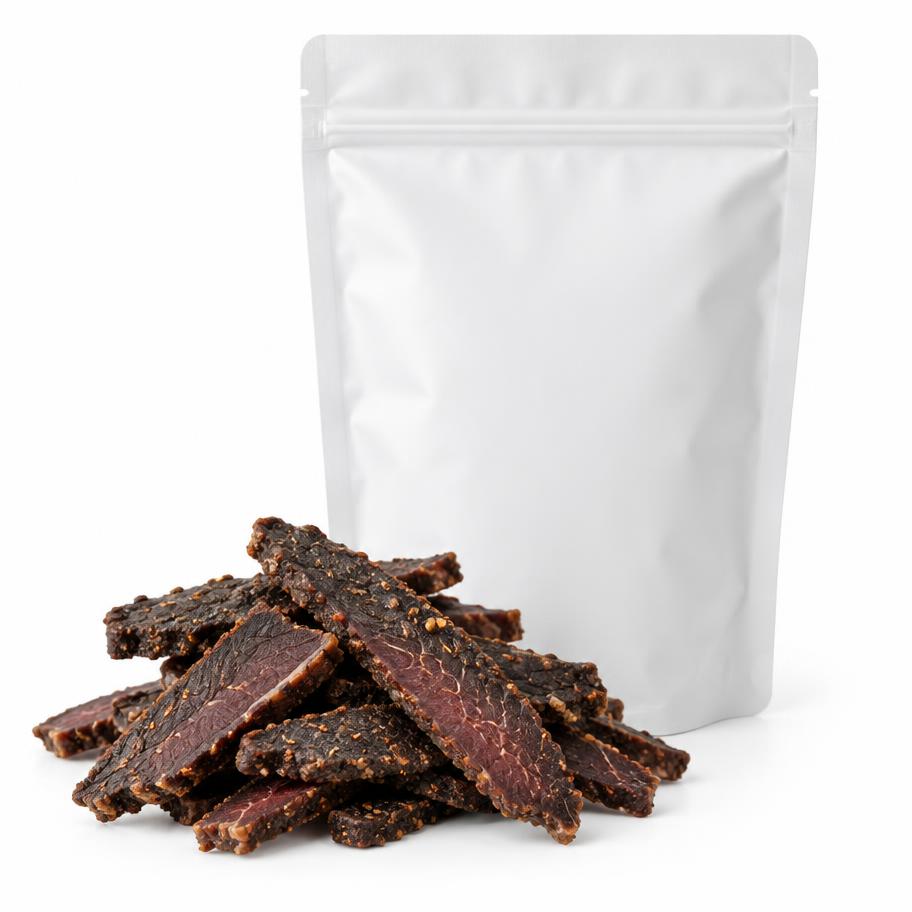
Bars sit lower. The best of them land around 9 to 11g per 100 calories, such as the Quest Chocolate Chip Cookie Dough bar at about 11.1 and Barebells Cookies and Cream at about 10.0. Oat-based bars are lower again, closer to 4 to 6, because the oats, syrup and chocolate bring calories that carry no protein.
Sugar
Plain yogurts contain naturally occurring milk sugars, typically around 3g to 5g a pot, with no added sugar. Bars split into two camps: engineered bars sweetened with sugar alcohols or sweeteners often list 1g to 2g of sugar, while whole-food and oat bars can list 8g to 17g. Neither is automatically better, but if you are watching added sugar the label is worth a look every time.
Convenience and storage
Bars need no fridge, survive a rucksack and have a long shelf life, which is why they dominate desks and gym bags. Yogurts need chilling, a spoon and somewhere to throw the pot. A yogurt is an easy breakfast or home snack; a bar is an easy away-from-home snack.
Cost per gram of protein
On the typical prices we hold, supermarket own-label and large-tub Greek yogurt is usually the cheaper route per gram of protein, because you are paying for milk rather than for manufacturing and packaging. Single bars carry the cost of individual wrapping, so multipacks narrow the gap. Every product page on this site shows price per gram of protein and cost per 10g of protein, so you can check the maths yourself.
Fullness and timing
Yogurt is a volume of food you eat with a spoon, which many people find more filling than a small dense bar of the same protein. Bars are easier to eat quickly after training or between meetings. If you routinely finish a bar and still feel hungry, a pot plus a piece of fruit is often the better swap at a similar calorie cost.
How to choose in practice
Pick yogurt when you are at home or have a fridge at work, are counting calories, or want the lowest cost per gram of protein. Pick a bar when you are travelling, training away from home, or need something that will not spoil. Many people use both and keep bars purely as the backup.
Nutrition information is provided for general information only and is not medical or dietary advice. Figures quoted are the values we hold for the named products, taken from manufacturer or retailer listings and shown with a last-checked date on each product page.